Fire Safety Code Requirements Every Business Owner Should Know
Running a business comes with many responsibilities, and making sure that your property meets fire safety codes is one of the most critical. Fire regulations are designed to protect lives, property, and operations, but navigating them can be complex. It can be especially challenging for business owners who manage older buildings or expanding facilities.
Snouffer’s Fire & Safety helps businesses across the region understand and comply with fire safety requirements. From fire alarms to fire sprinklers and fire suppression systems, having the right protections in place is essential for both compliance and peace of mind.
Understanding Fire Safety Codes and Regulations
Fire safety codes are established at the national, state, and local levels. These guidelines are generally based on standards such as those set by the National Fire Protection Association (NFPA). These codes dictate the types of systems required, how they should be installed, and how often they must be inspected.
Businesses must adhere to local fire codes that may include specific requirements for occupancy type, building size, and use. Failing to meet these standards can result in fines, failed inspections, or even temporary closure.
Working with an experienced provider like Snouffer’s Fire & Safety ensures that your systems are designed and maintained according to the latest regulations.
Fire Alarm System Requirements
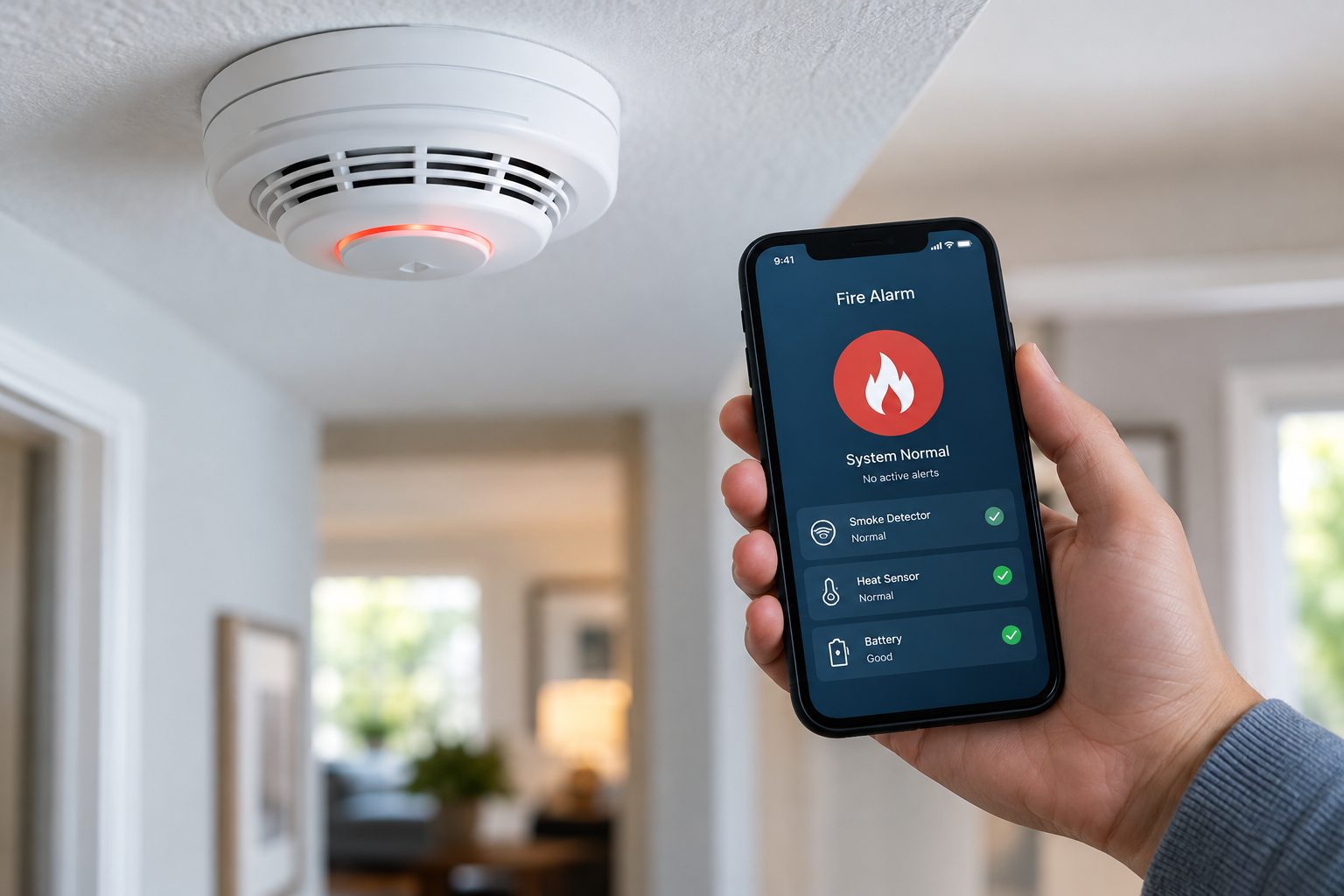
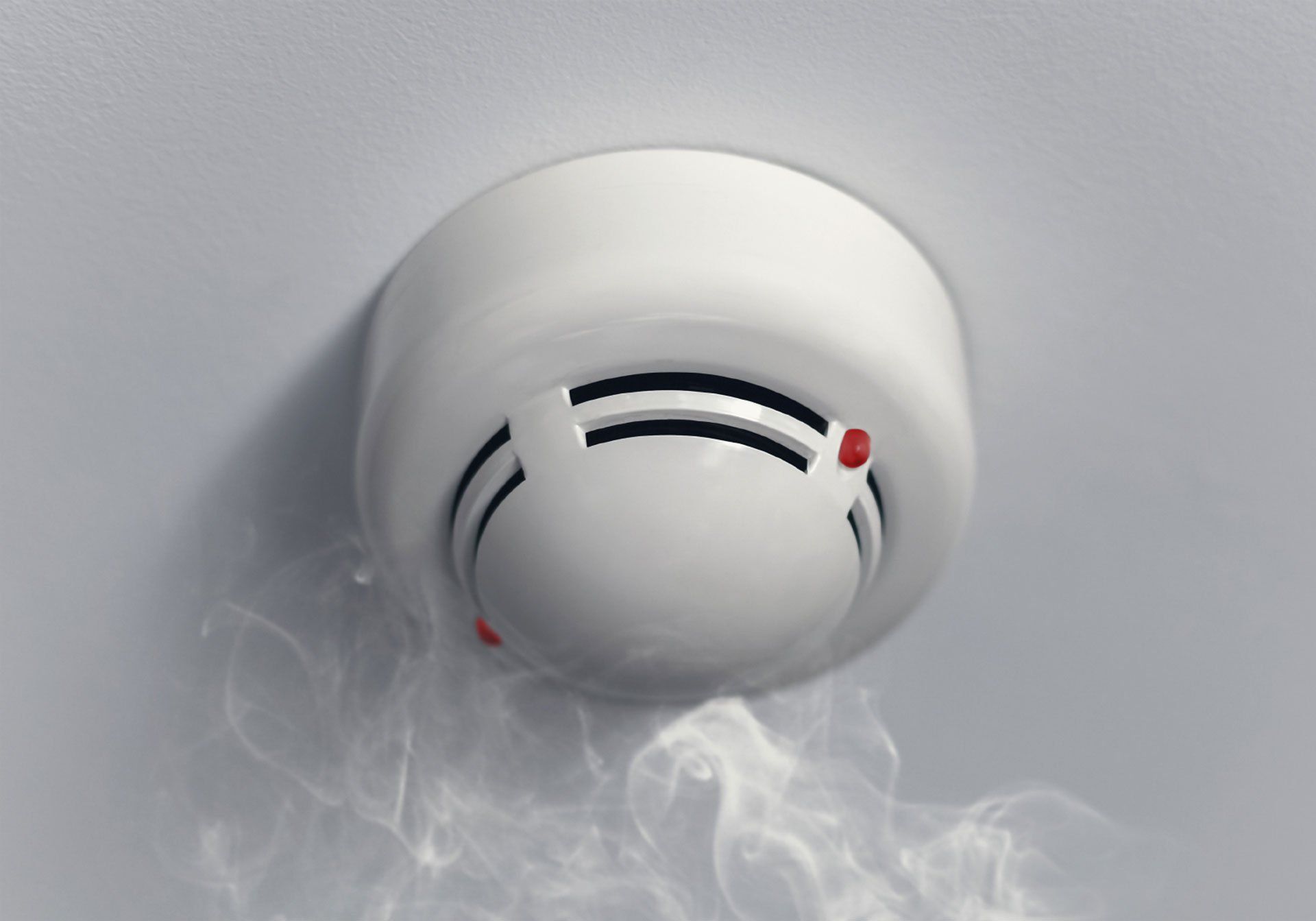
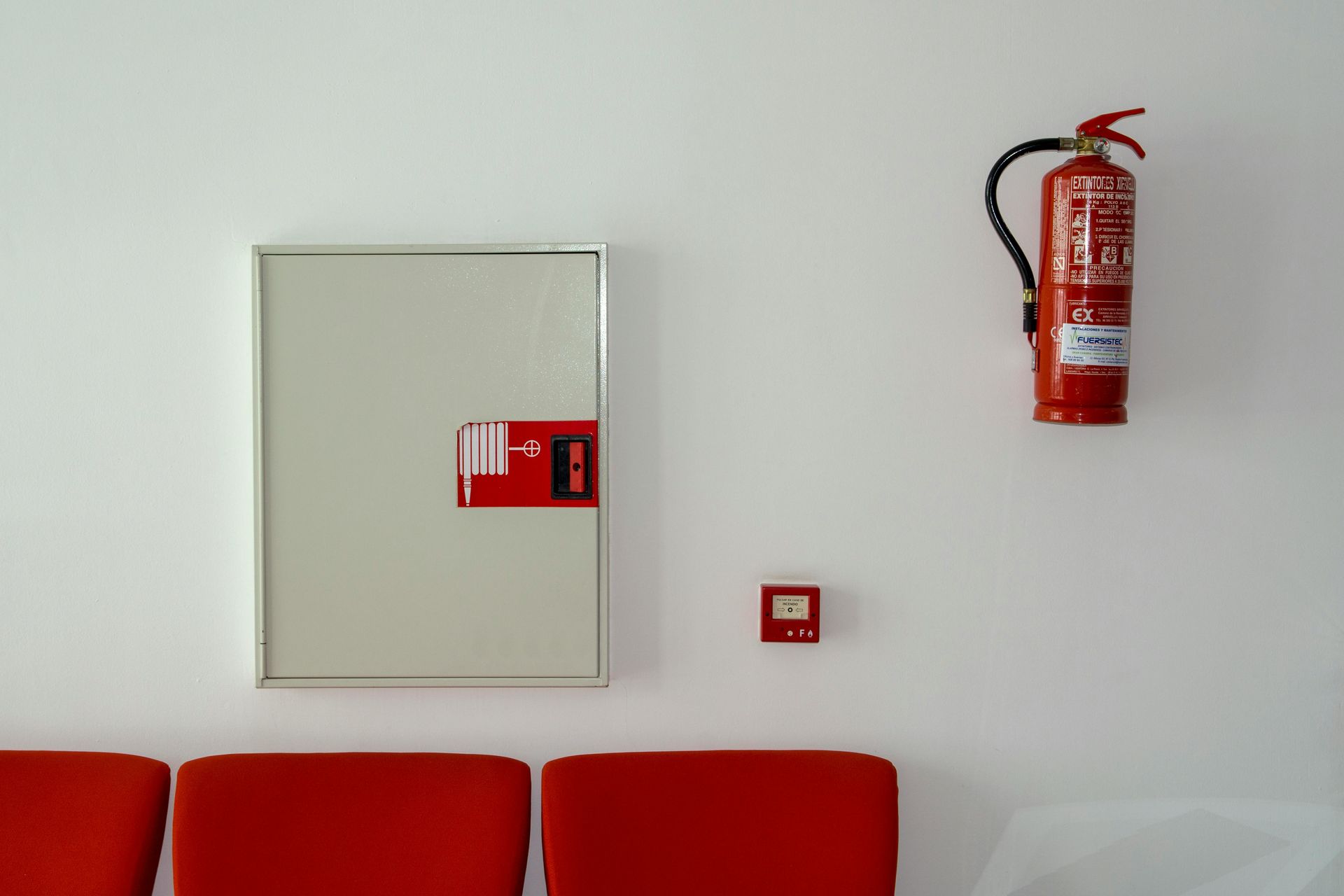
Fire alarms are a fundamental requirement for most commercial properties. Depending on your building type and occupancy, codes may require a fully integrated and monitored fire alarm system rather than standalone detectors.
Modern fire alarms must provide:
- Early detection of smoke or heat
- Audible and visible alerts for building occupants
- Connection to a monitoring service or local fire department
- Regular testing and inspection
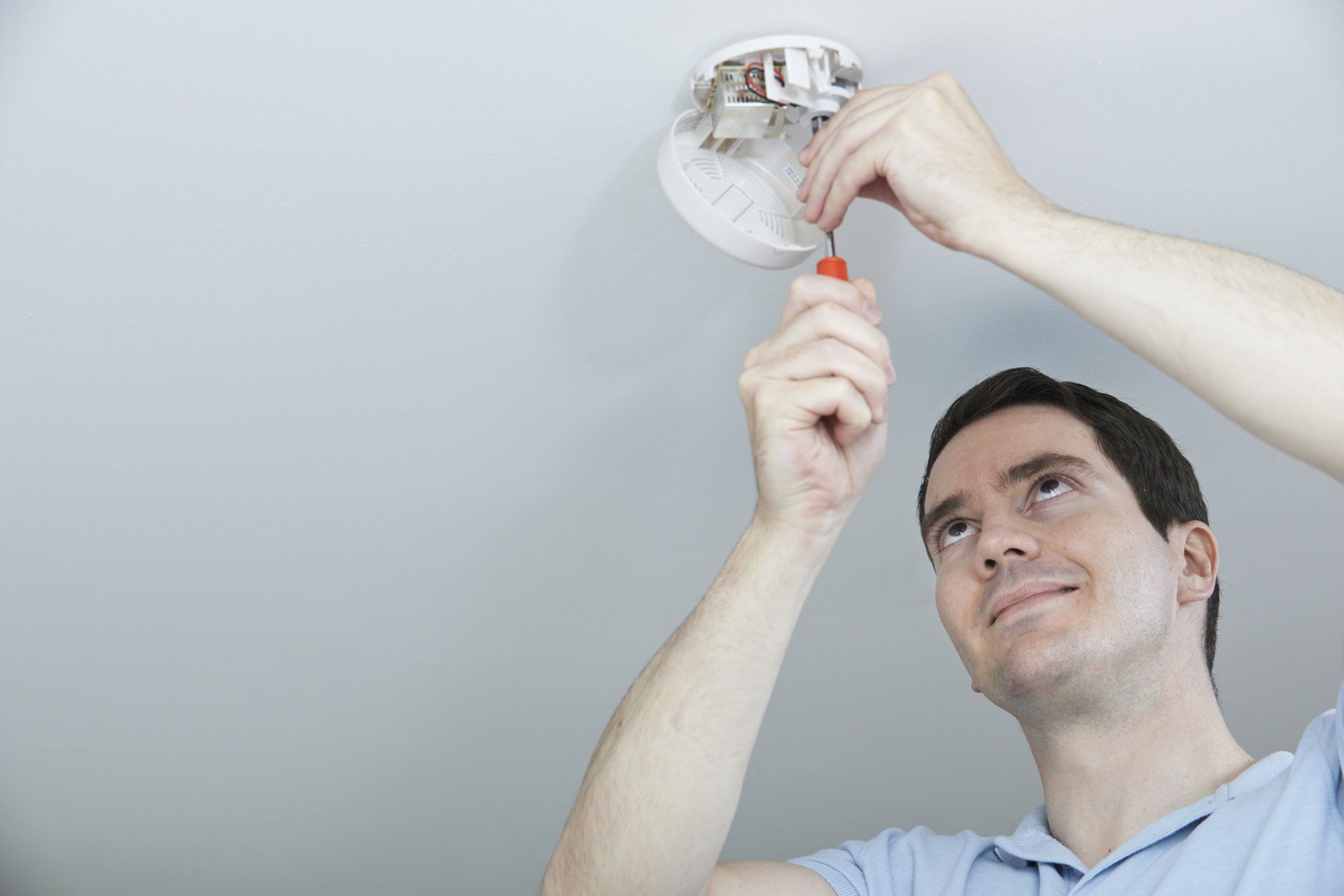
Keeping fire alarms up to code is not a one-time task. Ongoing maintenance and documentation are required to demonstrate compliance during inspections.
Fire Sprinkler System Compliance
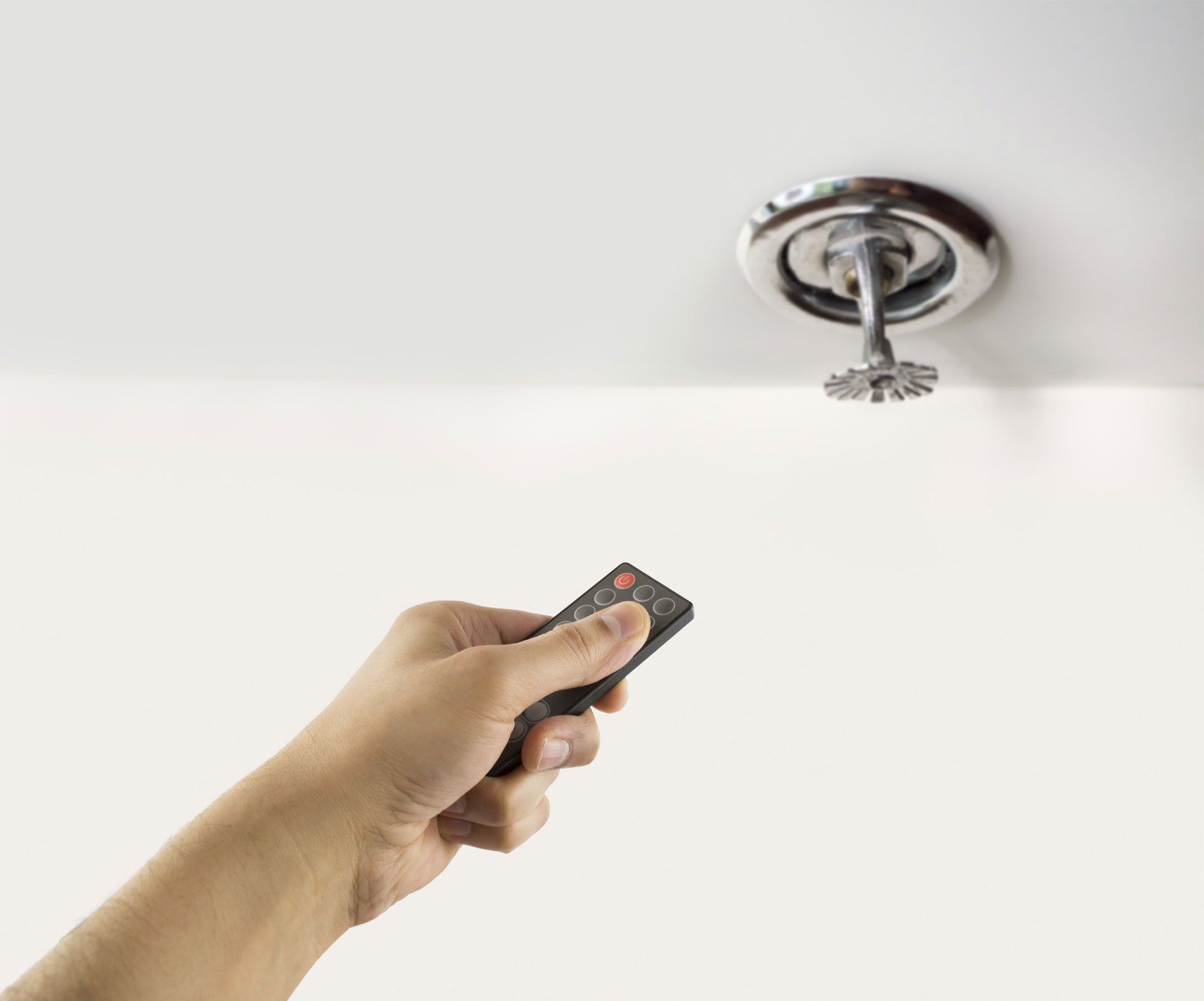
Many commercial buildings are required to have fire sprinklers installed, particularly in larger or higher-risk properties. These systems are designed to control or extinguish fires before they spread, significantly reducing damage and risk to occupants.
Code requirements for fire sprinklers often include:
- Proper system design based on building layout and use
- Adequate water supply and pressure
- Routine inspections, testing, and maintenance
- Clear access to sprinkler heads and components
Snouffer’s Fire & Safety verifies that fire sprinklers in businesses throughout the region meet all applicable standards and function reliably when needed.
Fire Suppression Systems for Specialized Areas
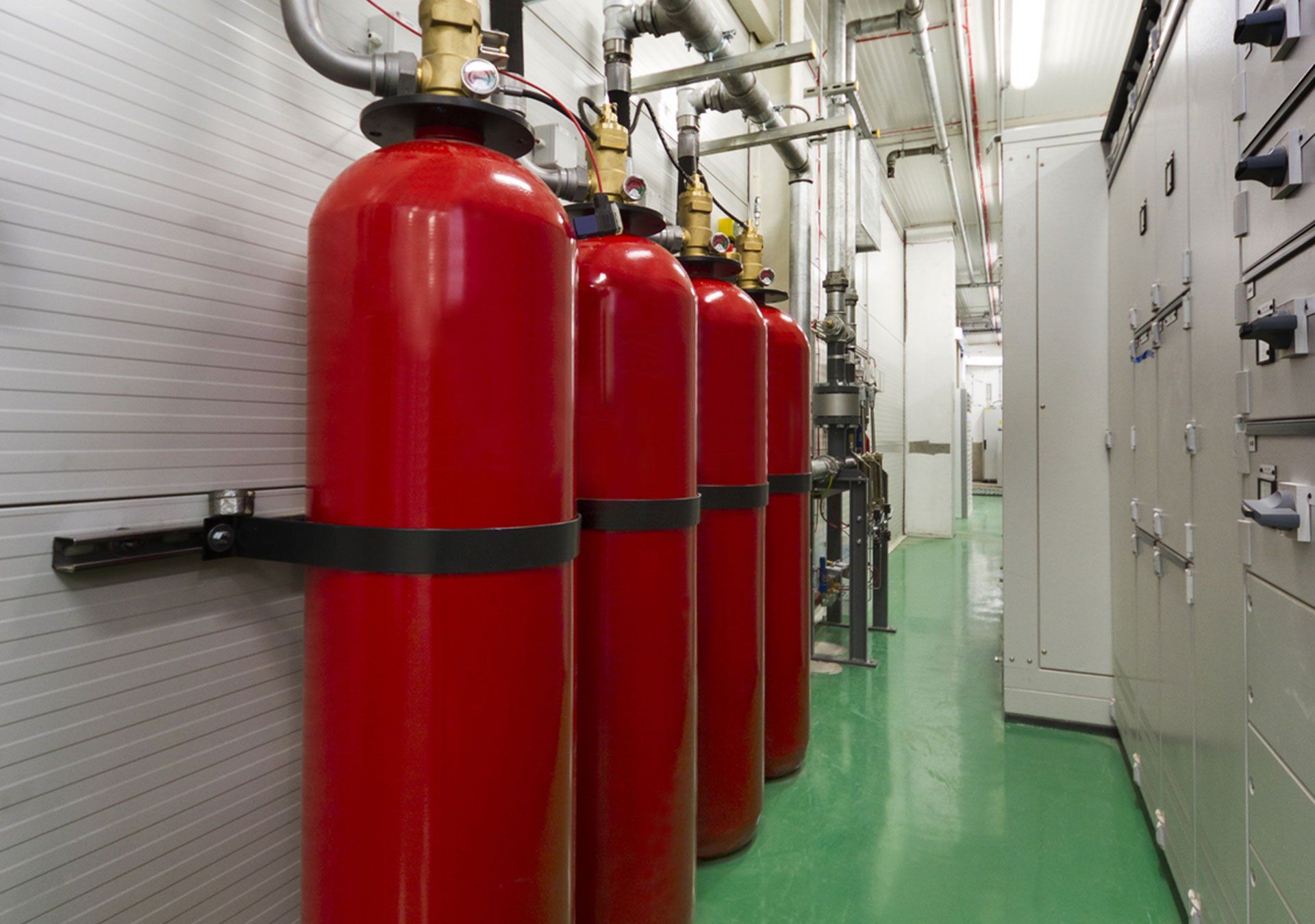
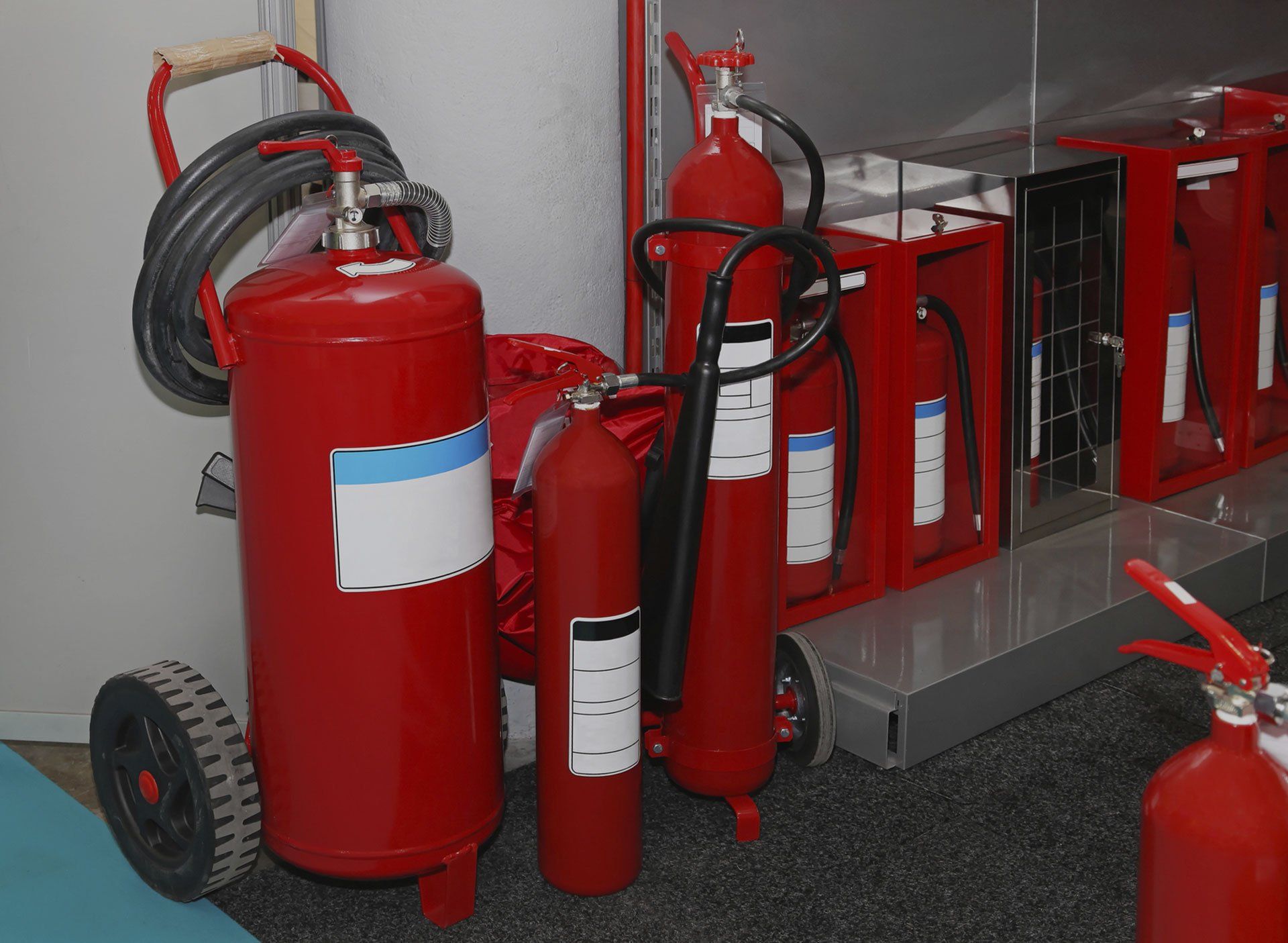
Certain areas within a business require more advanced protection than traditional sprinkler systems can provide. Kitchens, server rooms, and industrial spaces require dedicated fire suppression systems to account for the elevated fire risk.
These systems are designed to quickly extinguish fires without causing unnecessary damage to equipment or materials. Codes may require specific types of fire suppression depending on the specific hazards.
Properly installing and maintaining these systems is essential for passing inspections and protecting critical areas of your business.
Inspection, Testing, and Maintenance Requirements
One of the most important aspects of fire code compliance is ongoing system maintenance. Fire safety systems must be regularly inspected and tested to keep them operational.
Typical requirements include:
- Scheduled inspections for fire alarms, fire sprinklers, and fire suppression systems
- Documentation of all testing and maintenance activities
- Prompt repairs for any identified issues
- Compliance with the inspection frequency set by local and national codes
Business owners must be prepared to provide records during fire inspections. Staying proactive with maintenance helps avoid violations and provides continuous protection.
Emergency Planning and Exit Requirements
Fire codes also address how occupants safely exit a building during an emergency. This includes proper exit signage, emergency lighting, and clearly marked evacuation routes.
Business owners are often required to:
- Maintain unobstructed exits
- Install illuminated exit signs
- Provide emergency lighting in case of power failure
- Develop and communicate evacuation plans
These elements work alongside fire alarms and suppression systems to create a comprehensive safety strategy.
Partner With Our Team for Code Compliance
Understanding and meeting fire safety code requirements can be overwhelming, but you do not have to manage it alone. Partnering with an experienced provider ensures your systems are properly designed, installed, and maintained to meet all regulations.
At Snouffer’s Fire & Safety, we proudly serve businesses throughout Columbus, OH with expert guidance and reliable service. Whether you need to upgrade fire alarms, install fire sprinklers, or maintain fire suppression systems, our team is here to help you stay compliant and protected.
Contact Snouffer’s Fire & Safety today to schedule an inspection or consultation to make sure that your business meets all fire safety code requirements.